Microphone Polar Patterns Explained: A Room-First Guide
Cardioid, omni, supercardioid and figure-8 explained by what they do in a real room - which walls they reject, and why pattern choice is a room decision.
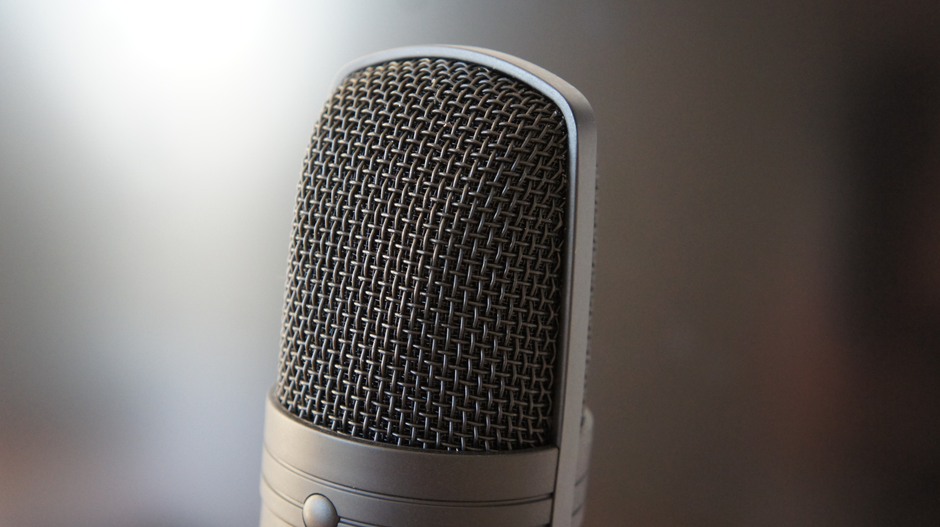
Microphone polar patterns explained properly are not four abstract diagrams - they are four different answers to one question: which parts of your room do you want the microphone to ignore? Every pattern is a deal between the voice in front of the capsule and the reflections, fans, keyboards and traffic around it. That makes pattern choice a room decision first and a microphone decision second.
The pattern names describe sensitivity by angle: how loud the same sound is when it arrives from the front, the sides or the back of the capsule. The standard polar pattern family runs from omnidirectional (equally sensitive in every direction) through cardioid (a heart-shaped pattern that favours the front) to figure-of-eight (front and back, with deaf sides). Everything else on a pattern-selector knob is a blend of those.
What is a polar pattern, really?
Point a microphone at a voice and the pattern decides what else arrives with it. A pattern is usually drawn as a circle around the capsule with a lobe showing where sensitivity is high. The useful reading is the opposite one: look for the nulls, the angles where sensitivity collapses. A null is a tool. Aim it at the thing you cannot switch off - the window, the PC tower, the other person's monitor speakers - and that source drops out of the recording before any software sees it.
Two more behaviours ride along with the pattern. Directional patterns (cardioid and its narrower relatives, plus figure-of-eight) exhibit proximity effect - bass rises as the source gets closer - and they are more sensitive to plosives and handling thumps. Omnidirectional capsules have essentially no proximity effect and shrug off wind and pops. Real capsules also drift with frequency: a budget cardioid behaves nearly omni at low frequencies and narrows at high ones, which is why rear rejection is always better in the spec sheet than in your room.
Why is cardioid the default?
Cardioid is most sensitive at the front, around 6 dB quieter at the sides, and close to deaf directly behind the capsule. That single rear null matches how most creators actually sit: voice in front of the mic, untreated room behind it. Put the mic between you and the room's worst surface - the bare wall, the window onto the street - and the null does the work that acoustic panels would otherwise have to do.
It is no accident that almost every podcast and streaming mic ships cardioid-only. In a spare bedroom, a cardioid worked close - 10 to 20 cm - lets you turn the gain down until the room falls away, leaving a dry, close voice. The price is technique: proximity effect thickens the low end as you lean in, level changes as you drift off axis, and plosives need a pop filter or a slight off-axis angle. Get the gain right once and the pattern forgives the rest; our gain staging guide covers that half of the equation.
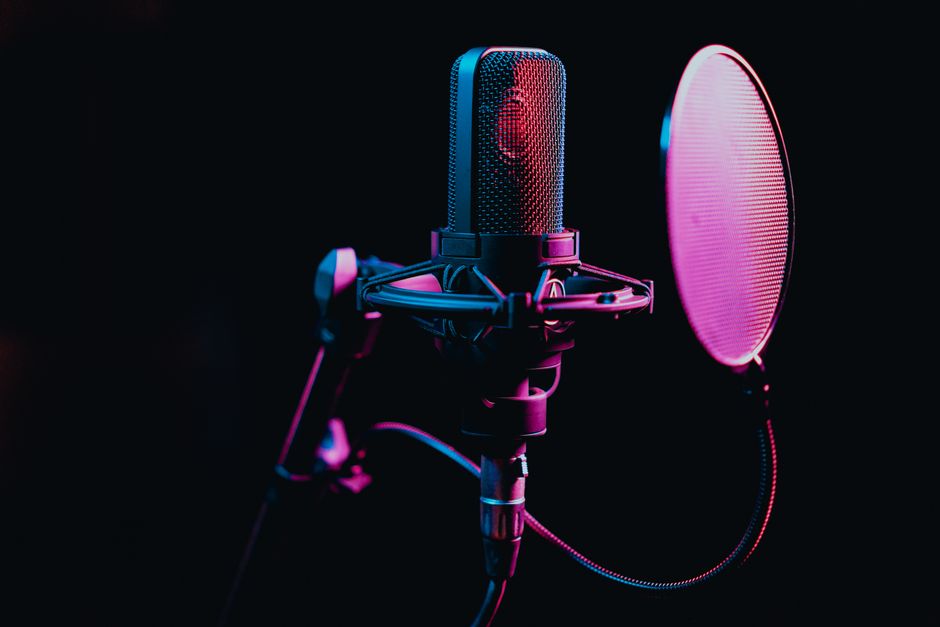
When does omnidirectional beat cardioid?
Omnidirectional hears everything around it at the same level. That sounds like the wrong tool for noisy homes, and often it is - but omni is more forgiving of everything except the room. There is no proximity boom when the speaker leans in, no level drop when a guest turns their head, no plosive pop without a filter, and far less handling noise. This is why nearly every lavalier (a clip-on mic worn on the chest) is omni: people move, and omni does not punish them for it.
Omni earns its place in three situations. First, a genuinely good-sounding room, where the space is part of the sound. Second, a group around one microphone - an omni in the middle of a table hears the whole conversation evenly, where a cardioid would favour whoever it points at. Third, any recording where the speaker cannot manage mic technique. The trade is absolute: omni has no nulls, so there is nothing to aim at the noise. A bad room heard by an omni is simply a bad recording.
Supercardioid and hypercardioid: what is the rear lobe?
Supercardioid and hypercardioid squeeze the front pickup narrower than cardioid, which reads like an upgrade for noisy rooms. The catch is geometry: narrowing the front opens a small lobe of sensitivity directly behind the capsule, and the true nulls move from straight back to roughly 120 to 125 degrees off the front - diagonally behind the mic, not behind it.
The rear lobe is what catches people out. A supercardioid laid flat on a desk with a television directly behind it picks that television back up through the lobe a cardioid would have rejected. Boom operators on film sets manage this constantly: the boom's supercardioid rejects the sides, so it is aimed with the rear lobe pointing at the quietest thing available, usually the ceiling or sky. On a desk, the same thinking applies - if you use a supercardioid near monitor speakers, angle the mic so a null, not the lobe, faces the drivers.
Choose the narrower patterns when the noise comes from the sides - a partner working next to you, a keyboard to your left - or when you need extra distance from the mic and must hold the room at bay. For noise directly behind the microphone, plain cardioid rejects it better.
What is figure-of-eight actually for?
Figure-of-eight hears the front and the back equally and is almost completely deaf at both sides. Ribbon microphones are natively figure-of-eight, and multipattern condensers offer it on the selector. Its party trick for creators is the two-person interview on one stand: host and guest face each other across the mic, both on axis, while the pattern's side nulls reject the rest of the room in the two directions most rooms are widest.
The same side nulls make figure-of-eight the isolation pattern for a singer-guitarist recording two sources at once, and it is one half of the mid-side and Blumlein stereo techniques. Its costs are the strongest proximity effect of any pattern and a rear pickup that is only useful when something worth hearing sits behind the mic. With a wall close behind the capsule, figure-of-eight is usually the wrong answer.
How do you choose a pattern for your room?
Start from the room, not the spec sheet. Walk to the recording position, listen, and name the two or three sounds you most want gone. Then pick the pattern whose nulls you can point at them:
- Untreated spare room, solo voice: cardioid, worked close, rear null at the worst wall. This is the right answer for most streamers and podcasters.
- Noise from the sides, or more working distance needed: supercardioid, with the rear lobe aimed at something quiet.
- Two people face to face: figure-of-eight on one stand, or two cardioids if you want separate channels to edit.
- A table of voices, or a speaker who moves: omni - and accept that the room is now part of the recording.
- A room that genuinely sounds good: omni or figure-of-eight, further back, and let the space breathe.
Then be honest about what a pattern cannot do. A null removes a direction; it does not remove reverberation, which arrives from every direction at once. If your recordings sound boxy or echoey, no selector knob fixes that - absorption does. Our soundproofing versus acoustic treatment explainer separates keeping sound out from taming the sound inside, and the acoustic panel guide covers where the first few panels earn their keep. A cardioid worked close buys you time in a bad room; treatment is what actually retires the problem.
One practical note on hardware: pattern switches only exist on multipattern condensers, which combine two capsule diaphragms to synthesise the whole family. Most dynamic mics are fixed cardioid, most lavaliers fixed omni. You are usually choosing the pattern when you choose the microphone - which is exactly why it belongs in the buying decision, before brand and colour.
Frequently asked questions
Which polar pattern is best for podcasting?
What pattern should I use in an untreated room?
Why does my supercardioid mic pick up sound from behind?
Are lavalier microphones omnidirectional?
Does the polar pattern matter more than the microphone?

Soundproofing vs Acoustic Treatment
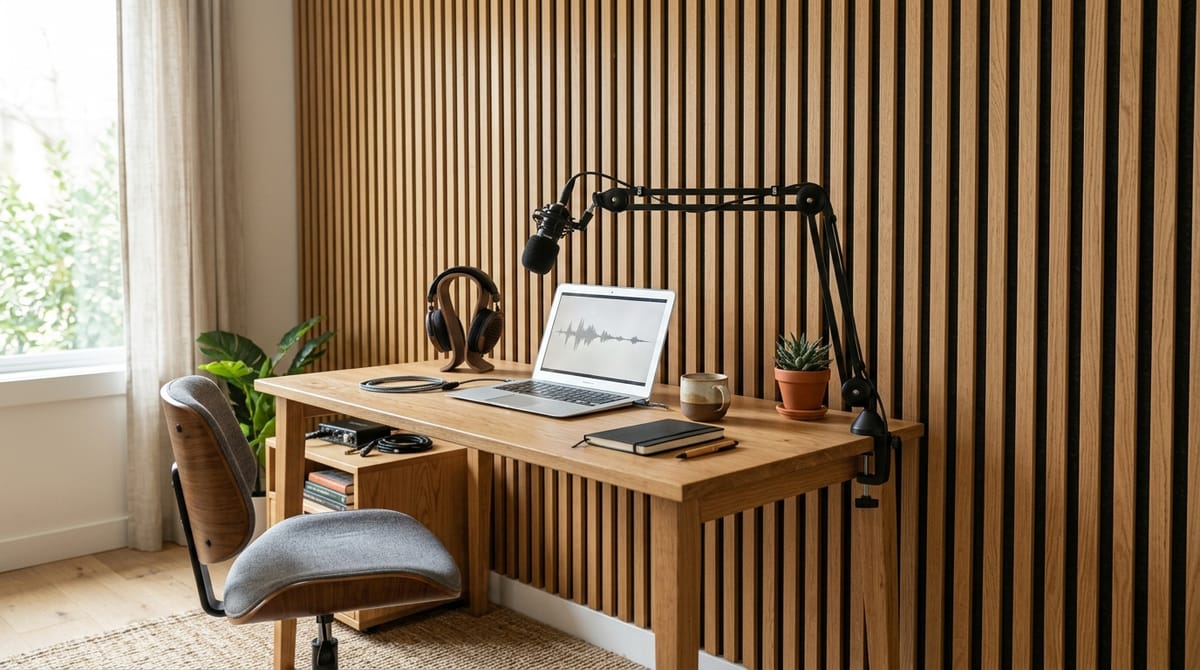
Best Acoustic Panels for a Home Office
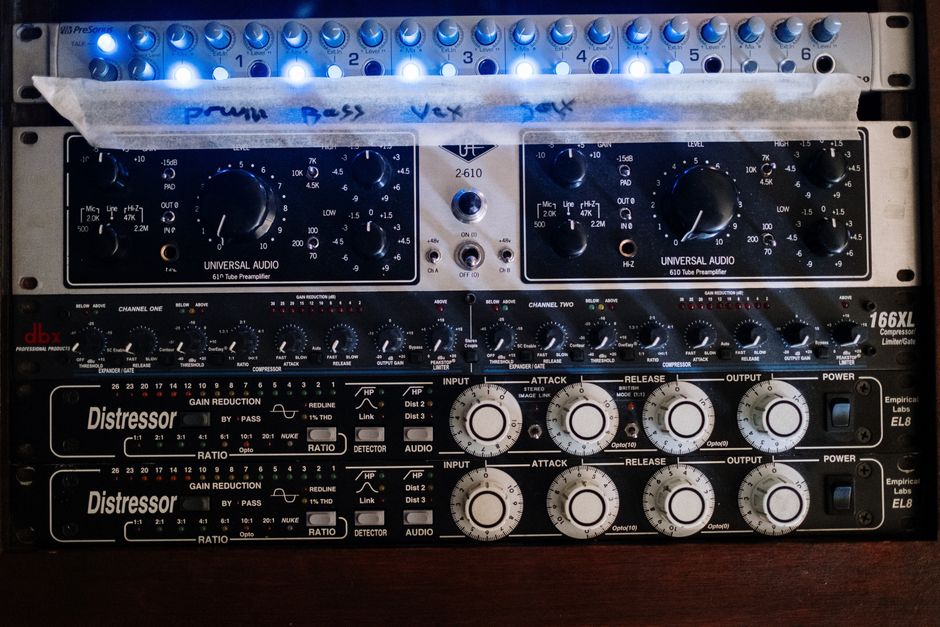
Gain Staging and Recording Levels