How Much Does It Cost to Start a Podcast?
What starting a podcast actually costs in the UK: the honest minimum, the recurring costs nobody mentions, and where the money is genuinely worth spending.
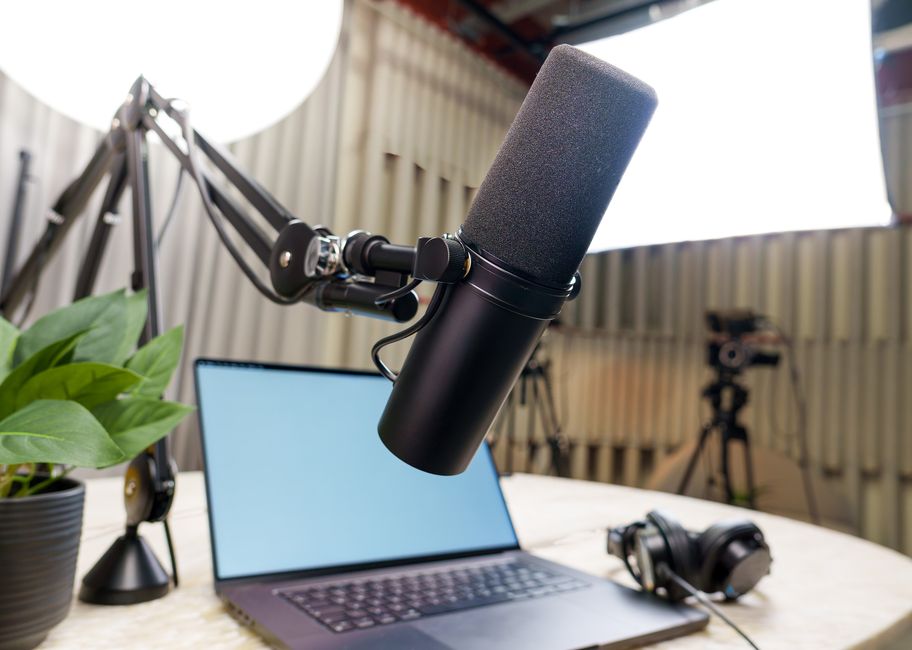
Podcasting has a spending problem, and it runs in one direction. Beginners are steered towards a shopping list before they have recorded anything, then quit with good equipment and four episodes. The honest position is that the gear budget is the least important decision you will make.
What follows is what it actually costs in the UK, split into the one-off spend, the recurring costs that are easy to miss, and the things you can safely ignore for a year.
What does it actually cost to start a podcast?
There are four realistic tiers, and the jump in quality between the first two is far larger than between the last two.
Realistic starting budgets
- Nothing at all
- A phone, its own voice recorder app, and free editing software. Genuinely publishable if you record somewhere soft and quiet. This is where most people should start.
- Around 60 to 120 pounds
- One decent USB microphone. The single biggest quality jump available, and for many shows the last piece of hardware ever needed.
- Under 300 pounds
- A complete kit: microphone, boom arm, pop filter and closed-back headphones. Sounds professional in an ordinary room.
- Beyond that
- An audio interface, XLR microphones and a second mic for guests. Worth it only when you have hit a specific limitation, not before.
The pattern is worth stating plainly: spending goes up smoothly, audible quality does not. Going from a phone to a decent microphone is transformative. Going from a decent microphone to an expensive one is a refinement most listeners will never consciously notice, particularly through phone speakers and earbuds, which is how nearly all podcasts are actually heard.
What do you actually need on day one?
Four things, only one of which costs money for most people.
Something that records
Your phone already does this to a standard that was broadcast-grade twenty years ago. A dedicated microphone improves it, but the absence of one is not what is stopping you.
Somewhere soft to record
This is free and matters more than the microphone. A room with a rug, curtains, a filled bookshelf or a bed absorbs the reflections that make home audio sound amateur. A bare kitchen or bathroom will undo any equipment.
Free editing software
Audacity and similar free tools edit a podcast to a fully professional standard. Paid software buys convenience, not quality, and not at the start.
Somewhere to host it
This is the one genuinely unavoidable recurring cost, and the one most beginners do not budget for. More on it below.
Gear is a one-off. Running a show is not, and the recurring column is where budgets actually break.
Hosting. A podcast is distributed as an RSS feed (a standard file format that lists your episodes and points to the audio). Apple Podcasts, Spotify and the rest read that feed; they do not store your audio. So you need somewhere to put the files that can serve them reliably to everyone who downloads them, which is what podcast hosting is. Free tiers exist with limits on storage or episode length, and paid plans typically start at a few pounds a month. This is the cost that continues whether or not you publish.
Cover artwork. Directories require it at a minimum size, and it is the first thing anyone sees. You can make it free in a design tool, or pay a designer once. Either is fine; ignoring it is not.
Music. Using a commercial track without a licence is the most common legal mistake new podcasters make. Royalty-free and Creative Commons libraries solve it, some free with attribution, some paid. Check what the licence actually permits, since many free tracks exclude commercial use.
Your time. The real cost, and the one that ends most shows. Editing an hour of conversation takes considerably longer than an hour. Choosing a format you can sustain weekly matters more to a podcast's survival than anything you buy.
Is expensive gear worth it for a beginner?
No, and the reason is more interesting than simple thrift.
Beyond a competent microphone, what separates good-sounding podcasts from bad ones is almost entirely room, microphone technique and editing. All three are free to improve, as is setting your recording levels correctly, which costs nothing and prevents the one fault no amount of editing can undo. A cheap microphone held close, in a soft room, by someone who has learned to speak across it rather than into it, comfortably beats an expensive one used badly in a bare room. That gap does not close by spending more.
There is also a practical argument. Most podcasts stop within a handful of episodes, and equipment bought before the habit exists is the most commonly abandoned purchase in the hobby. Recording ten episodes on a phone tells you whether you want to do this. If you do, you will then know exactly which limitation is bothering you, and can spend against a real problem instead of a guess.
The exception worth naming: if you are recording guests in person, one microphone genuinely does not stretch to two people. That is a real limitation rather than a preference, and it is worth knowing before you buy the first mic.
Where should the money go first?
In order, and only when the previous step is exhausted.
Start with the room, because it is free and it caps everything else. Then a dynamic USB microphone, which rejects room noise rather than capturing it, and which is the one purchase that reliably changes how you sound. Then a boom arm, because it lets you sit close to the microphone without hunching over a desk stand, and close is what makes a home recording sound controlled. Closed-back headphones after that, so you can hear problems while you record instead of discovering them in the edit.
Only then does an interface and an XLR microphone make sense, and mainly if you are recording a second person locally. Our complete first podcast kit under 300 pounds covers what that spend looks like assembled, and where each part earns its place.
What almost never repays early money: studio monitors, paid editing software, acoustic foam bought before trying soft furnishings, and a second microphone bought before you have a guest booked.